
Jackpot Fishing is gaining traction because PJOK it turns fish hunting into a prize pool chase where timing, aim, and spending choices matter. The format feels quick to start, yet it rewards players who read the room pace, target value, and tool efficiency. In a news context, it stands out as a trend driven by spectacle, jackpots, and the social pull of shared reward moments.
Jackpot Fishing overview and why it draws attention today
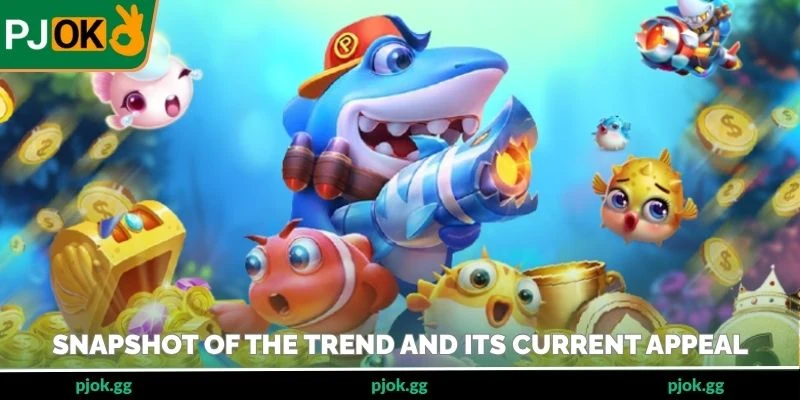
The game style centers on short, intense sessions where targets move fast and rewards can spike without warning. Players are pulled in by the visible prize focus, plus the sense that a smart decision can change results quickly. It also fits modern play habits because rounds feel compact, making it easy to jump in, test tactics, then step out.
Jackpot Fishing frames the experience around prize pools, so attention shifts from pure volume to choosing the right targets at the right time. That structure creates a news friendly hook because outcomes look dramatic, especially when a high value fish drops at a key moment. For many players, the draw is the mix of action pace plus the possibility of a standout hit.
The presentation leans into readable visuals, bright cues, and clear impact feedback, which helps new users understand what is happening in real time. The prize pool concept adds tension because every shot feels like it carries opportunity cost. This mix pushes spectatorship too, since big wins are easy to notice.
From a trend lens, the appeal comes from learning curves that feel visible within a single session. A user can adjust aim, weapon tier, and skill timing, then see quick feedback without long grinding. That feedback loop supports repeat play, plus short bursts of experimentation.
Key systems that shape win rates and pacing
Core systems influence how fast the room moves, how quickly costs build, and how efficiently value targets get secured. Understanding mechanics helps players pick moments rather than chase every moving fish. The sections below break down the tools that most directly affect pacing and spending decisions.
Lock on tools and accuracy
Lock on tools change the feel of hunting because they reduce manual tracking burden, letting users focus on target selection instead of pure cursor control. When used well, they help keep shots concentrated on value targets, which can stabilize spending across a session. In Jackpot Fishing, better accuracy often matters more than higher fire rate when rooms get crowded.
A smart approach is to lock on only when the target path is clean and the fish value justifies the extra cost pressure. If the screen is packed, manual aim may avoid wasted shots that get blocked by low value targets crossing the line. The strongest results show up when lock on is treated as a tactical burst, not a default mode.
Cannon levels and ammo cost
Cannon tiers define both damage output and how quickly a player’s balance can drain, so pacing decisions start with weapon choice. Higher levels can secure kills faster, yet each miss becomes more expensive, so the penalty for poor timing rises. In Jackpot Fishing, cannon selection is less about ego, more about matching room density and target tier.
A practical method is to scale up only after seeing a cluster of mid to high value fish moving in predictable lanes. If targets are scattered or chaotic, a lower tier can preserve funds while still allowing consistent pick offs. This approach keeps the session alive long enough to catch better cycles.
Skill effects and cooldown use
Skill effects create short windows where value capture becomes more efficient, especially when they boost damage, slow targets, or increase hit reliability. Cooldowns introduce timing discipline because the best use is tied to target flow, not immediate impulse. In Jackpot Fishing, good cooldown planning can stretch a bankroll longer than pure aim improvements.
A useful pattern is to wait until a lane is filled with high value targets before triggering a skill, then focus fire during the window. Pairing the skill with controlled cannon tier changes can amplify impact without turning every shot into high cost gambling. This is also a good place to test one cross title reference such as Aviator as a mindset reminder about timing, not as a mechanic comparison.
Smart play guide to reduce wasteful spending
Better results come from controlling entry conditions, testing before committing, and recognizing when the best cycle has already passed. Players who plan limits and exit points reduce emotional spending swings. The tips below focus on structure, not hype, so users can keep sessions consistent.
Set limits before entering rooms
Setting limits is about deciding how much you can spend in a session, plus defining a stop rule that triggers a break. This prevents chasing behavior after a bad run, since the rule exists before emotions rise. In Jackpot Fishing, limits work best when they are tied to time blocks and a fixed loss cap.
A simple structure is to set a maximum spend for the first segment, then reassess after a set number of minutes. If the results are flat, switch rooms or pause rather than doubling cannon tier out of frustration. This method protects balance while keeping learning active.
Test low stakes to learn
Low stakes testing gives room to study target movement, hit confirmation cues, and timing patterns without heavy cost pressure. It also helps a player calibrate how accurate they really are before upgrading cannon level. In Jackpot Fishing, learning at low stakes builds data that makes later spending more intentional.
A good test is to run a short sequence using conservative fire rate and note which fish types take longer to secure. If a target consistently escapes, it may be a poor value choice for your current tier. That information guides smarter selection later.
Exit after peak reward cycles
Exiting after a strong reward cycle protects gains, since the room flow can shift and make the next phase less favorable. Many players lose profit by staying too long after a high moment, then trying to repeat it immediately. In Jackpot Fishing, exits are a strategy tool, not a sign of fear.
A practical signal is when high value targets disappear and the screen fills with low return fish. If the cost per minute stays high while returns shrink, leaving resets your odds by letting you re enter under better conditions later. This keeps momentum without forcing it.
Leaving also helps maintain discipline because it breaks the emotional loop. A short reset can reduce impulsive upgrades that spike spending. Over time, these exits shape a more sustainable play pattern.
Conclusion
Jackpot Fishing rewards players who read pacing, control tools, then treat spending like a structured plan. Learn the core systems, apply limits, then time skills during real value windows. With that approach, sessions stay focused, costs stay controlled, and results feel more consistent.

The influence of Pori Moni on the success of the brand is undeniable. By combining strict regulatory compliance with a passion for technological innovation, the CEO has built a sustainable ecosystem for enthusiasts. As the platform continues to evolve, the focus remains on integrity and excellence. Experience the professional gaming standards and diverse entertainment options by joining PJOK today!