

Aviator has become a headline friendly crash format because each round is short, visual, plus easy to follow in real time. Readers PJOK tend to focus on how the multiplier climbs, when tension spikes, plus why timing feels so personal. This guide breaks down round flow, decision moments, plus strategy talk you see across communities.
An overview of Aviator and why it stands out

The game draws attention through simple rules, fast cycles, plus a single rising number that drives every choice. Newcomers grasp the core in minutes, yet the pressure remains intense because outcomes arrive quickly. For a news style read, the appeal sits in the mix of clarity, speed, plus social discussion.
Aviator uses a clean crash loop where a multiplier rises until a sudden stop ends the round. That single mechanic creates a strong push pull between staying in longer or taking profit earlier. The format fits short attention spans while still rewarding calm decision making.
The presentation leans on minimal controls, readable timing, plus a clear result display. Because rounds reset fast, a player can observe several cycles in a short window, then adjust behavior without long downtime. That rhythm is a key reason the title stays visible in community feeds.
Many readers also notice how social chatter shapes expectations around risk. People share screenshots, highlight big multipliers, plus debate which cashout habits feel safer. This conversation layer adds interest even for those who treat it as quick entertainment.
How the round flow builds tension and speed
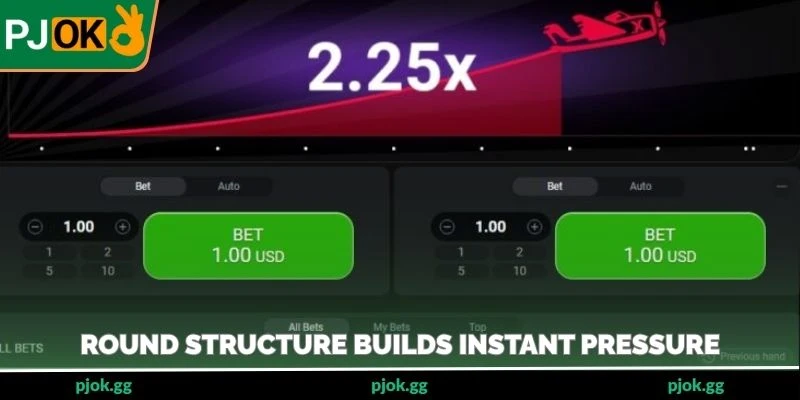
Each round follows a predictable sequence that feels calm at first, then accelerates as the multiplier climbs. The pace creates urgency because the same second can swing a small win into a loss if the crash hits. Understanding the phases helps readers interpret why choices feel harder late in a round.
Countdown and takeoff phase basics
The countdown window acts like a reset, giving players a brief moment to set a stake plus prepare a plan. In Aviator, that pause is where many decide a default cashout number rather than chasing emotion mid flight. Treating the start as planning time supports clearer choices once the multiplier begins to rise.
Takeoff is the earliest climb, where the multiplier increases fast enough to feel exciting yet still readable. Some players keep stakes modest here, aiming to learn the rhythm without overcommitting. This phase also lets you watch how quickly results update, which matters for anyone relying on timing.
Crash timing and cashout decisions
Cashout pressure grows because every extra tick adds reward but also raises the chance of losing the whole stake. In Aviator, the emotional peak often arrives after a few wins, when confidence rises yet risk grows in the next round. A stable approach is to decide a cashout zone before the climb, then follow it even when the number looks tempting.
A cashout choice can be framed as a trade between consistency plus volatility. Lower targets aim for more frequent smaller wins, higher targets aim for bigger hits but more misses. Communities debate both styles, yet the key is aligning the choice with budget plus mindset.
Results history and pace reading
History panels show recent multipliers, helping players sense how chaotic the sequence can be. In Aviator, those rows can feel like clues, but they are better treated as context for pace rather than a promise of what comes next. Watching streaks can still help a reader describe tension, since long low runs create a different mood from sudden high spikes.
Some players track session notes, such as how many rounds they watched before playing. That observation period can reduce impulsive clicks during hot moments. A simple habit is to set a fixed number of rounds to review, then enter with a clear plan.
Strategy angles players discuss in communities
Community talk covers bankroll habits, mindset cues, plus how to stay disciplined in short rounds. Discussions tend to focus on repeatable routines rather than trying to predict the crash. These angles show why the format stays popular as a topic even outside pure gameplay.

Managing stakes across short rounds
Short rounds invite rapid re entry, which can drain a budget faster than expected. Many players in Aviator manage this by dividing funds into session blocks, then limiting how many rounds a block can cover. This makes losses easier to absorb, since the plan includes a stopping point.
Some also scale stakes based on recent outcomes, yet they keep the scale small to avoid sudden swings. The goal is to protect longevity, not force recovery in one risky jump. If a session feels heated, lowering stakes can keep decisions calm.
Using patterns without overtrusting them
Players often talk about patterns, streaks, plus color coded histories, because humans love structure. In Aviator, using patterns can be a way to slow down, since it prompts observation before action. The risk comes when a pattern becomes a rule, which can lead to larger bets on weak assumptions.
A healthier use is to treat pattern talk as a narrative tool, not a prediction engine. It can help you describe why a room feels tense after several low crashes, or why people react loudly after a big multiplier. If you want a comparison point, some communities mention JetX when discussing similar pacing plus cashout psychology.
Setting cashout targets by mood
Mood based targets appear in many discussions because emotion changes how risk feels. In Aviator, a calm mood often pairs with modest targets, while a thrill seeking mood pushes higher numbers that can break discipline. Naming your mood before a session helps you choose a target that matches reality.
Some set two targets, a conservative default plus a rare high shot with a tiny stake. That structure keeps excitement contained while protecting the main budget. The key is sticking to the target once the round starts, since changing mid flight is where impulse takes over.
Conclusion
Aviator stays news worthy because its round flow is simple, fast, plus emotionally sharp in seconds. When readers understand phases, cashout pressure, plus community habits, the format becomes easier to describe with clarity. A disciplined pace matters, since steady plans beat rushed clicks over time.

The influence of Pori Moni on the success of the brand is undeniable. By combining strict regulatory compliance with a passion for technological innovation, the CEO has built a sustainable ecosystem for enthusiasts. As the platform continues to evolve, the focus remains on integrity and excellence. Experience the professional gaming standards and diverse entertainment options by joining PJOK today!