
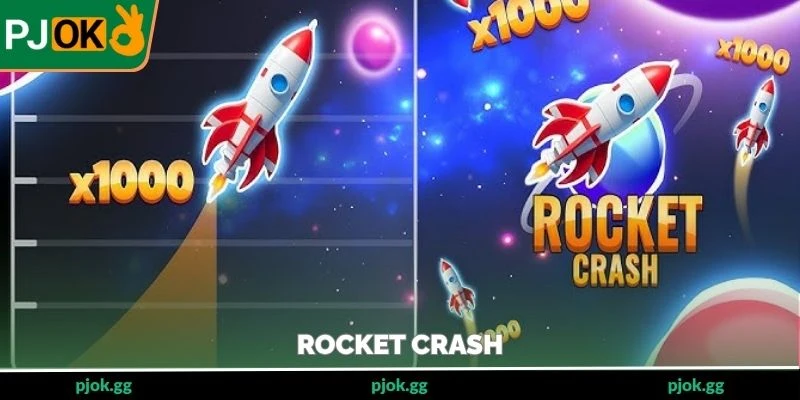
Rocket Crash draws attention with seconds long rounds, rising multipliers, instant decisions. News readers PJOK can grasp the core loop fast, then apply simple habits to keep play measured. This overview maps round tension, cashout logic, session flow in a clear order. The sections below highlight what to watch, what to avoid, plus how players keep control across short bursts.
Rocket Crash overview for quick news readers

The format is built for fast scanning, with each round finishing in moments and resetting without delay. Visual cues do most of the teaching, so new readers can follow the action after a few cycles. The key is understanding what signals mean before committing to any pace.
The game presents a clean launch screen, a countdown, then a takeoff that sets the rhythm for the round. The multiplier rises while tension builds, since the outcome can end at any instant once the flight begins. For news style coverage, the takeaway is simple: the loop is short, the feedback is immediate, decisions must be planned early.
Many players approach it like a timing exercise rather than a long session grind, because the round length stays compact. That compact structure creates a clear pattern for tracking results, setting limits, then stepping away on schedule. With Rocket Crash, the pace rewards preparation more than impulse, since there is little time to rethink mid round.
How rounds build tension in seconds
A round compresses anticipation, action, plus resolution into a tight window that feels intense. The tension comes from cues that accelerate quickly, then force a decision before comfort sets in. Knowing the stages makes the pace easier to manage.

Countdown cues and takeoff pace
The countdown acts like a reset button, giving players a brief moment to confirm stake size, then lock in a plan. The takeoff animation starts briskly, which can push readers to chase the first few seconds without thinking. In Rocket Crash, it helps to treat the countdown as planning time, not hype time.
A useful habit is to pick a target range before the takeoff begins, then commit to it for several rounds. That approach keeps decision load low, because you are not reinventing a strategy each launch. When the rhythm stays consistent, players can spot when they are speeding up mentally, then slow down on purpose.
Multiplier climb and risk curve
The climb feels smooth, yet risk rises faster than the screen suggests, because the end can arrive at any moment. Players often misread the curve by focusing on early growth, then assuming later growth will behave the same. With Rocket Crash, the best mental model is that risk increases continuously, so every extra tick trades safety for potential gain.
Some sessions improve when users split their focus into two checks: current multiplier plus remaining budget for the day. That budget check prevents overreaction to a high climb, since the goal becomes consistency rather than one dramatic outcome. A calm rhythm also makes it easier to record patterns, then refine targets using real results.
Crash trigger and cashout logic
The crash ends the round instantly, so the cashout button is the main control point. A planned cashout removes hesitation, because waiting for a perfect moment often leads to late clicks. In Rocket Crash, timing works best when the exit point is decided before the climb starts.
Many players use simple rules like exiting at a fixed number, or exiting after a small gain when nerves rise. The core idea is to reduce last second decision making, since pressure is highest right before a crash. For extra structure, one H3 level habit is to log a short run of rounds, then adjust targets based on consistency.
Player habits that shape session flow
Session quality often depends more on routine than on any single round. Small boundaries reduce emotional swings, keep bankroll stable, then create a clean stop point. A few habits can turn intense pacing into a manageable rhythm.

Budget limits before launching
Setting a budget before the first round creates a clear ceiling, so losses do not expand into a longer chase. The budget can be split into smaller blocks, which makes it easier to pause after each block, then reassess. In Rocket Crash, this structure matters because round speed can hide how many attempts you have made.
A practical method is to define a session as a fixed number of rounds, then stop even if results feel unfinished. That rule protects attention, since fatigue makes timing worse and increases reactive choices. If you want a simple anchor, add a note like High Flyer as a reminder to keep ambition inside the budget.
Stop rules after streaks
Streaks can distort judgment, whether they are wins or losses, because they tempt players to push limits. A stop rule after a streak creates a pause that breaks momentum, then restores perspective. With Rocket Crash, that pause is valuable because the next round begins fast, leaving little room to cool down.
A common tactic is to stop after a set number of consecutive outcomes, then take a short break away from the screen. The break can be timed, or it can be a task like reviewing notes, which forces the mind to reset. Once the pressure drops, the user can decide whether to return with the same plan or end the session.
Short bursts over long grinds
Short bursts keep attention sharp, because the format already compresses tension into seconds. Long grinds raise the chance of impulsive clicks, since repetition can dull the sense of risk. In Rocket Crash, shorter sessions often feel cleaner because each burst has a clear start and finish.
A helpful approach is to schedule two or three bursts, separated by breaks, instead of one continuous run. That structure supports consistency, since each return begins with a fresh decision rather than leftover emotion. Over time, bursts make it easier to compare results across sessions, then refine targets based on what holds up.
Conclusion
Rocket Crash works best when readers treat it as a fast loop that rewards planning, not chasing. Clear cashout targets, budget blocks, plus stop rules can keep sessions measured even when pacing feels intense. The format stays simple on screen, yet pressure builds quickly, so routines matter more than impulse. If you want steadier outcomes, revisit the round stages, then keep each session short, structured, and intentional.

The influence of Pori Moni on the success of the brand is undeniable. By combining strict regulatory compliance with a passion for technological innovation, the CEO has built a sustainable ecosystem for enthusiasts. As the platform continues to evolve, the focus remains on integrity and excellence. Experience the professional gaming standards and diverse entertainment options by joining PJOK today!