
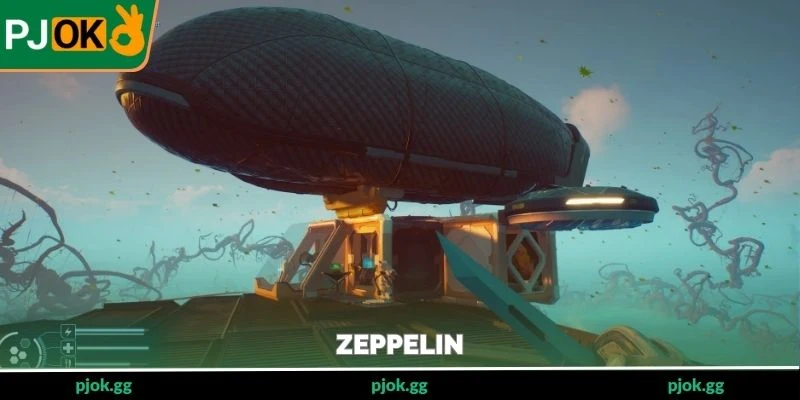
Zeppelin sets a measured rhythm that invites patience, sharper observation, plus cleaner exits when the curve shifts. The calmer PJOK tone helps players read momentum, manage bankroll flow, keep emotions in check during long stretches. Tension still rises near late peaks, so timing remains a skill that improves with tracking patterns across sessions.
Zeppelin overview with a calmer flight tone

The experience leans into a slower climb, giving players room to watch the multiplier breathe before it accelerates. Visual cues stay readable, so decisions feel less rushed, even when suspense grows late in the run. This tone supports steadier pacing, where choices come from observation more than impulse.
Zeppelin style flights emphasize anticipation through gradual movement rather than abrupt shocks. The calm framing makes it easier to notice small shifts in speed, which often hint at changing risk. With more time to react, players can practice disciplined exits without feeling forced into snap calls.
The audio and motion design typically favor soft build ups that keep attention engaged while staying easy to follow. That design supports longer viewing windows, useful for players who like planning exits instead of chasing fast swings. The result is a mood that rewards structure, since Zeppelin often highlights patience over quick reactions.
A slower tone also reduces the urge to over bet during early stages. When the lift begins gently, players can commit to a plan, then stick with it across multiple rounds. This environment benefits anyone who wants decisions to feel like checkpoints, especially inside Zeppelin flights.
Flight progression and the tension curve
The flight usually starts with a readable rise, then transitions into tighter tension as the curve approaches higher ranges. Pressure builds when the pace changes, since the risk of an abrupt end grows near the top. Understanding how the curve behaves helps players choose exits that match their comfort.

Gradual lift and readable pace
The opening lift feels steady, which gives players time to confirm their target before the run reaches risky territory. This early stretch is useful for building habits like checking stake size, confirming a cashout plan, then watching the curve. Zeppelin gains its suspense here through anticipation, since the calm start invites patience before the critical moments arrive.
A readable pace can also reduce misclicks, because decisions happen with more breathing room. Players who plan exits can treat the early phase as a setup window, then commit when the multiplier reaches their chosen zone. That approach fits measured sessions where consistency matters more than dramatic spikes.
Volatility spikes near peaks
As altitude grows, the curve can tighten fast, turning a smooth run into a sharper risk window. The suspense increases because the end can arrive quickly once the peak zone is reached. Zeppelin often feels most intense here, since players must balance the urge to stay longer against the rising chance of a sudden stop.
Tracking how late spikes appear across multiple rounds can help players avoid chasing the same outcome. Instead of expecting a repeat, they can define a peak boundary that signals an exit. This keeps decision making grounded, even when the last stretch tempts players to push further.
Exit timing versus patience
The key tension is choosing between an early cashout that protects profit or a longer hold that seeks a bigger multiplier. Patience can pay when the run stays stable, yet it can also punish players who ignore warning signs. Zeppelin rewards those who set a rule for when to exit, then follow it without drifting into hope based decisions.
A helpful method is to define a target range, plus a hard limit where you always leave. The range offers flexibility, while the limit prevents late panic. Over time, players refine patience into a repeatable skill rather than a gamble.
Player behavior when pacing slows down
Slower pacing changes how players bet, since the session can feel longer even with the same number of rounds. Many adjust by widening targets, reducing frequency, then focusing on signals that support steady routines. These behaviors aim to keep control when suspense builds slowly.

Wider targets and fewer bets
When rounds feel calmer, some players choose fewer entries, then aim for broader target ranges instead of chasing every run. This reduces fatigue, plus it limits emotional swings that come from constant outcomes. Zeppelin fits this approach, since the readable lift gives time to decide whether a round is worth joining.
Wider targets also encourage planning stake size around longer holds. Players can scale down the bet, accept a smaller win rate, then rely on disciplined exits when targets hit. That structure can feel cleaner than rapid fire betting, especially during extended sessions.
Longer breaks between streaks
Slower pacing can make streaks feel more draining, so breaks become part of the routine rather than a reaction to losses. A short pause resets attention, helping players return with clearer judgment. In those pauses, some players review notes, check recent outcomes, or mark moments where Aero style cues appeared, then return with a fresh plan.
Spacing rounds also reduces tilt, because each decision is separated by time. Players can reenter with intention, rather than sliding into automatic clicks. This habit supports steadiness when the session tone invites long watches.
Focus on consistency signals
Consistency signals are small patterns that support a stable plan, such as keeping the same stake for a set number of rounds. Players watch for personal cues like impatience, rushed clicks, or drifting targets, then correct quickly. Zeppelin benefits from this mindset because the slower climb highlights how discipline shapes outcomes over time.
Some players track a simple metric like how often they follow their exit rule, then improve that score session by session. This keeps focus on process, not one dramatic win. The result is a routine built on repeatable decisions.
Conclusion
Zeppelin works best when players respect the calm build, set targets with limits, then treat exits as a planned skill. The tension curve tightens near peaks, so disciplined timing matters more than chasing late multipliers. Slower pacing also favors fewer bets, longer resets, plus attention to consistency signals across sessions.

The influence of Pori Moni on the success of the brand is undeniable. By combining strict regulatory compliance with a passion for technological innovation, the CEO has built a sustainable ecosystem for enthusiasts. As the platform continues to evolve, the focus remains on integrity and excellence. Experience the professional gaming standards and diverse entertainment options by joining PJOK today!